
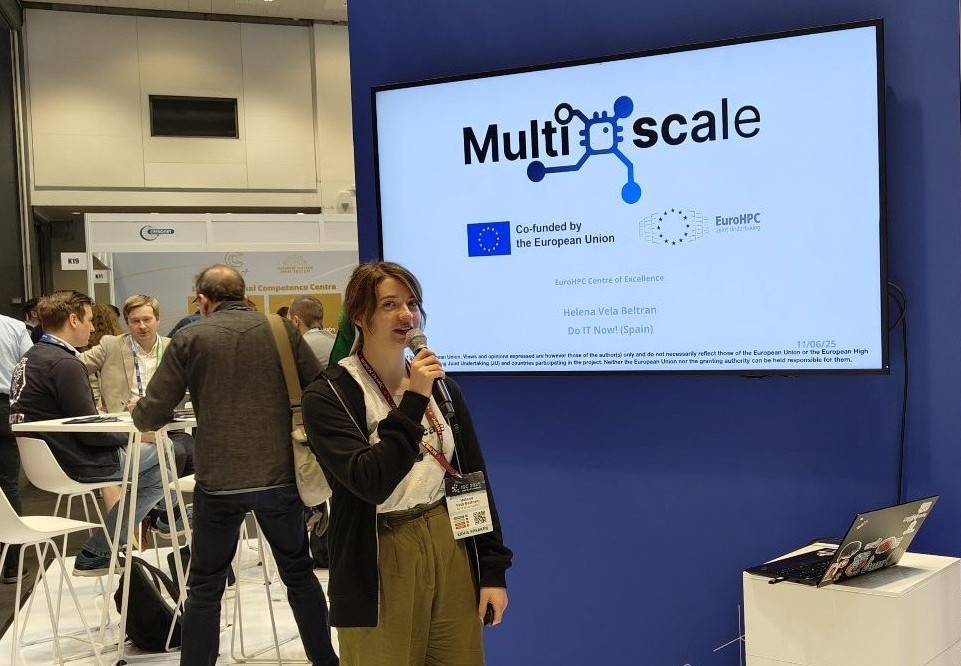
Our MultiXscale experts were proud to contribute to several key sessions at ISC High Performance Hamburg (Germany), organized from 10-13 June 2025. From …

MultiXscale CoE coordinator, Dr. Matej Praprotnik (National Institute of Chemistry) joined the PASC25 Interdisciplinary Dialogue. Watch the full video here. The Platform for …
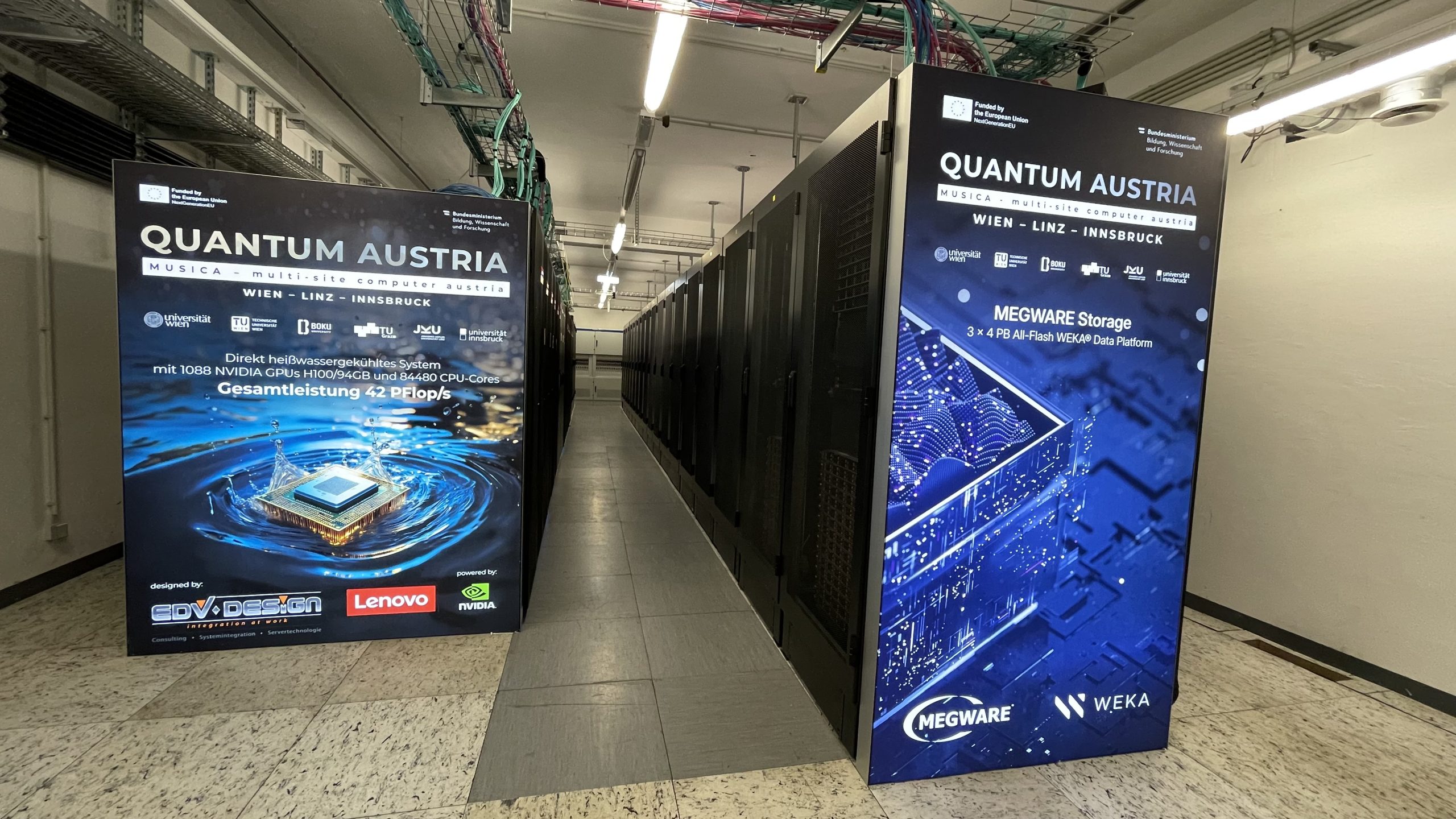
EESSI is being adopted as the main central software stack on MUSICA, the Multi-Site Computer Austria
EESSI, the European Environment for Scientific Software Installations that’s actively developed by MultiXscale partners, is being adopted as the main central software stack …
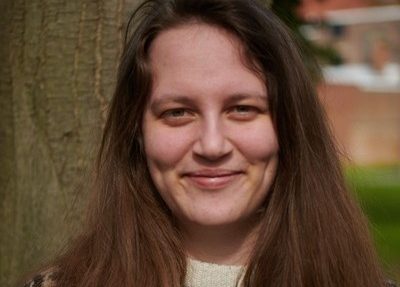
The interview with MultiXscale expert Lara Peeters (Ghent University) at insideHPC is available through the following link: “Vanguards of HPC-AI: Ghent University’s Lara …
Join our MultiXscale experts in the following sessions at ISC25 Hamburg Germany: “Supporting cutting edge development of LAMMPS with EESSI” by MultiXscale expert …
MultiXscale experts Alan O’Cais (University of Barcelona and CECAM) and Helena Vela (Do IT Now) will present “From zero to cloud (the EESSI …
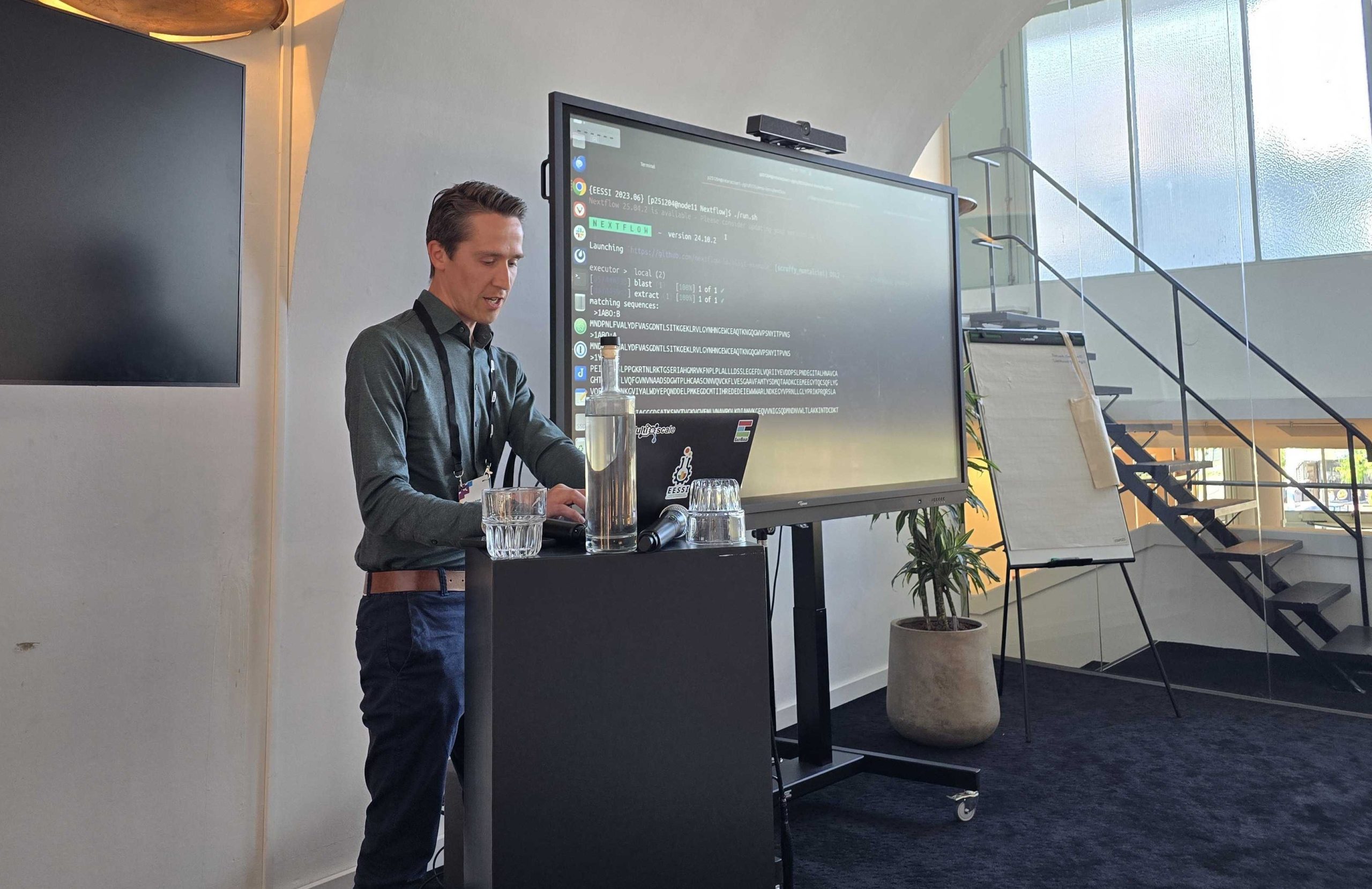
“The same software on any research infrastructure, wouldn’t that be EESSI?” by our MultiXscale expert Bob Dröge (University of Groningen) on 20 May, …
MultiXscale expert Lara Peeters (UGent) will participate in the “Panel 1: Pathways in Digital Humanities: insights and stories from DH Alumni”, from 15:30 …
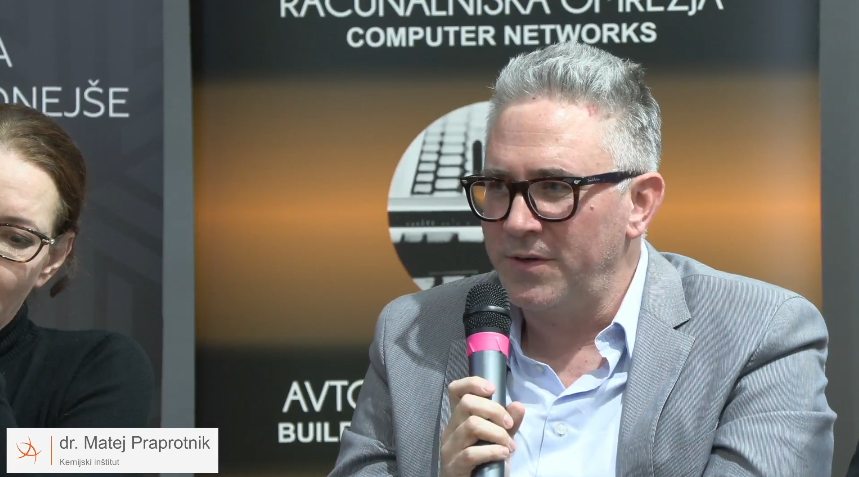
MultiXscale CoE coordinator, Dr. Matej Praprotnik (National Institute of Chemistry), has participated in the special ceremony held to mark the beginning of construction …
What if you no longer have to install a broad range of scientific software from scratch on every laptop, HPC cluster, or cloud …
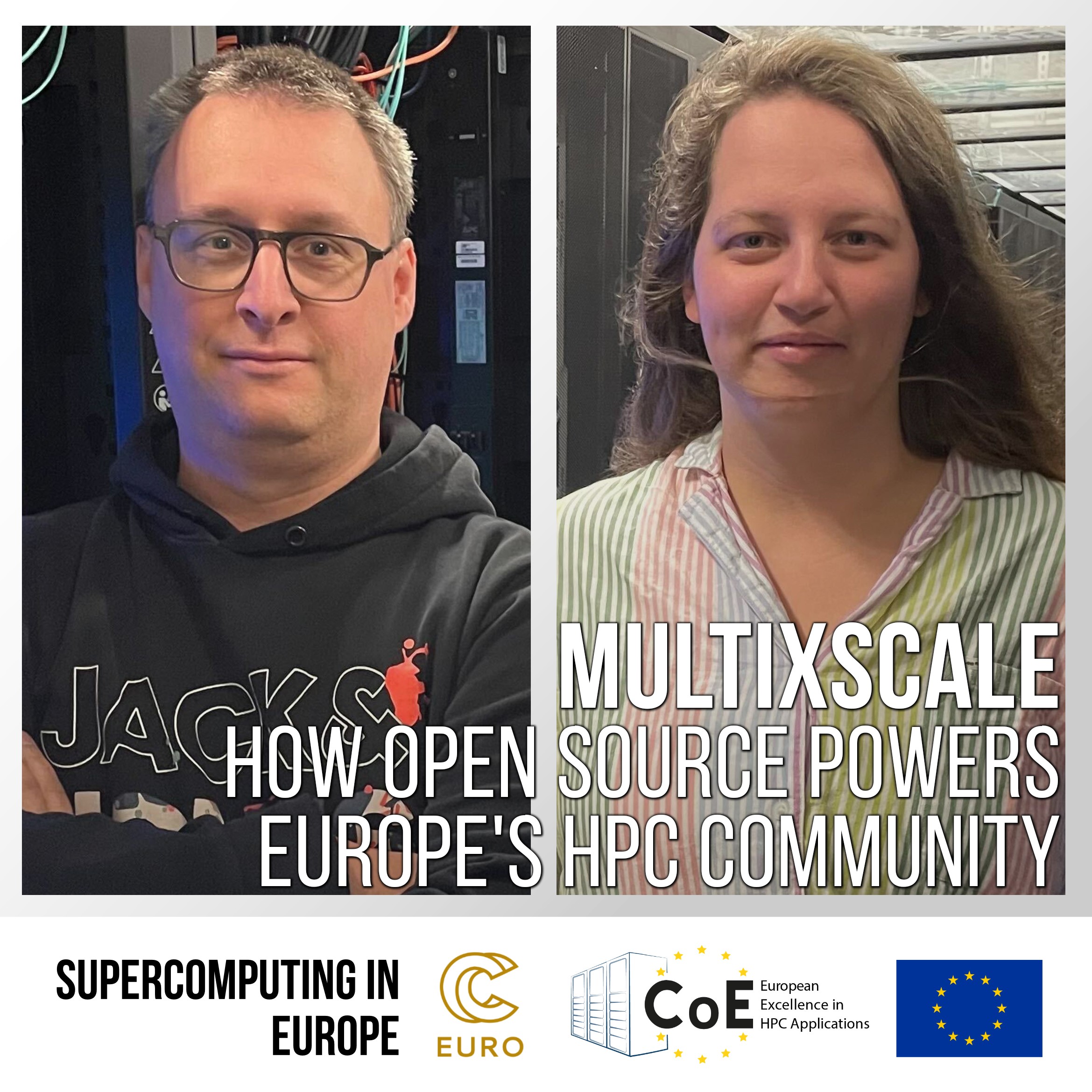
How do we build a unified software stack that works on HPC systems and personal laptops? In this episode, Jothi Blontrock speaks with Kenneth Hoste …

During the HiPEAC Conference in Barcelona, MultiXscale co-organized two full-day workshops aimed at discussing the current status of HPC applications in Europe and …